Most people with asthma are able to keep their symptoms under control using inhalers and, in some cases, oral medication. However, there can be times when symptoms suddenly worsen in what is known as an asthma attack. Without prompt treatment, this can become serious and potentially life-threatening. Because of this, it is essential that prescribed medication is taken consistently and that a reliever inhaler is always readily available.
Asthma is typically managed using two core types of inhaler-based treatments: relievers and preventers. Each serves a very different purpose in controlling symptoms and reducing the risk of flare-ups.
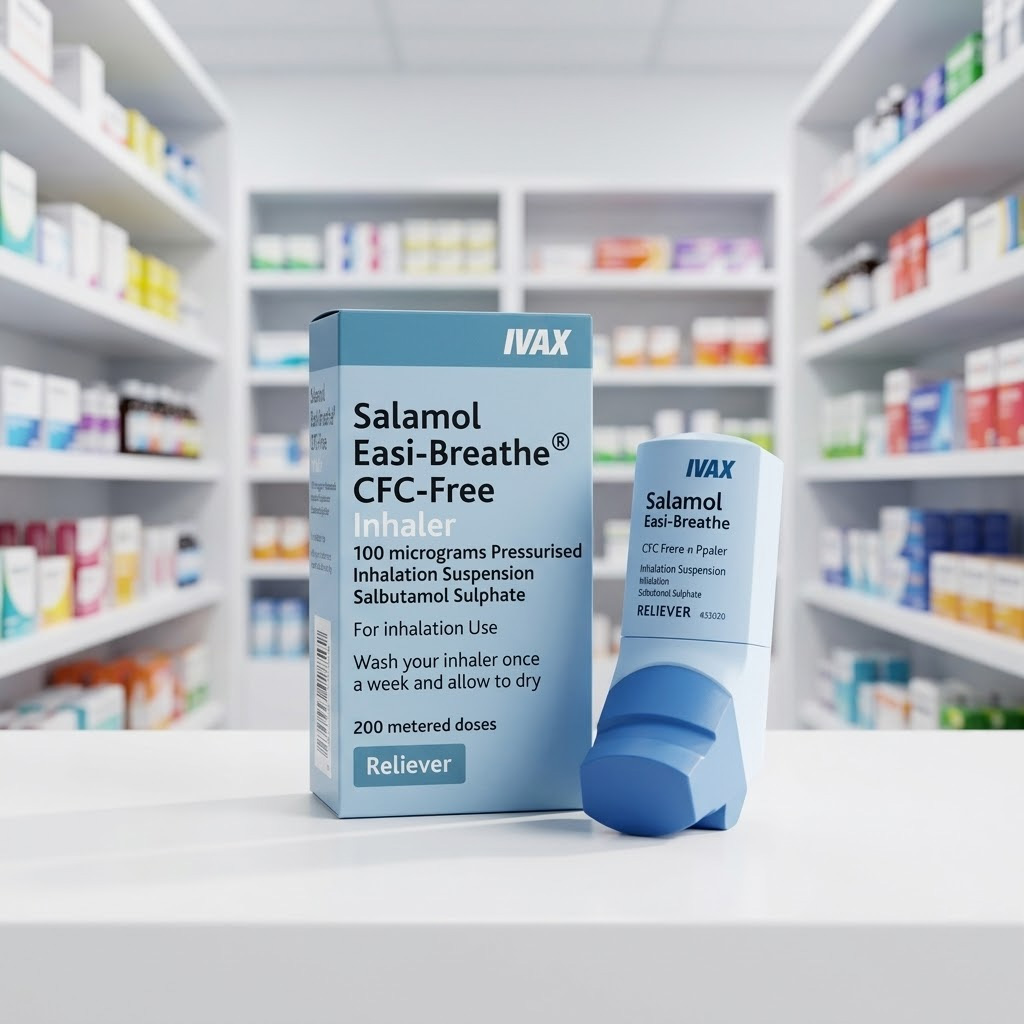
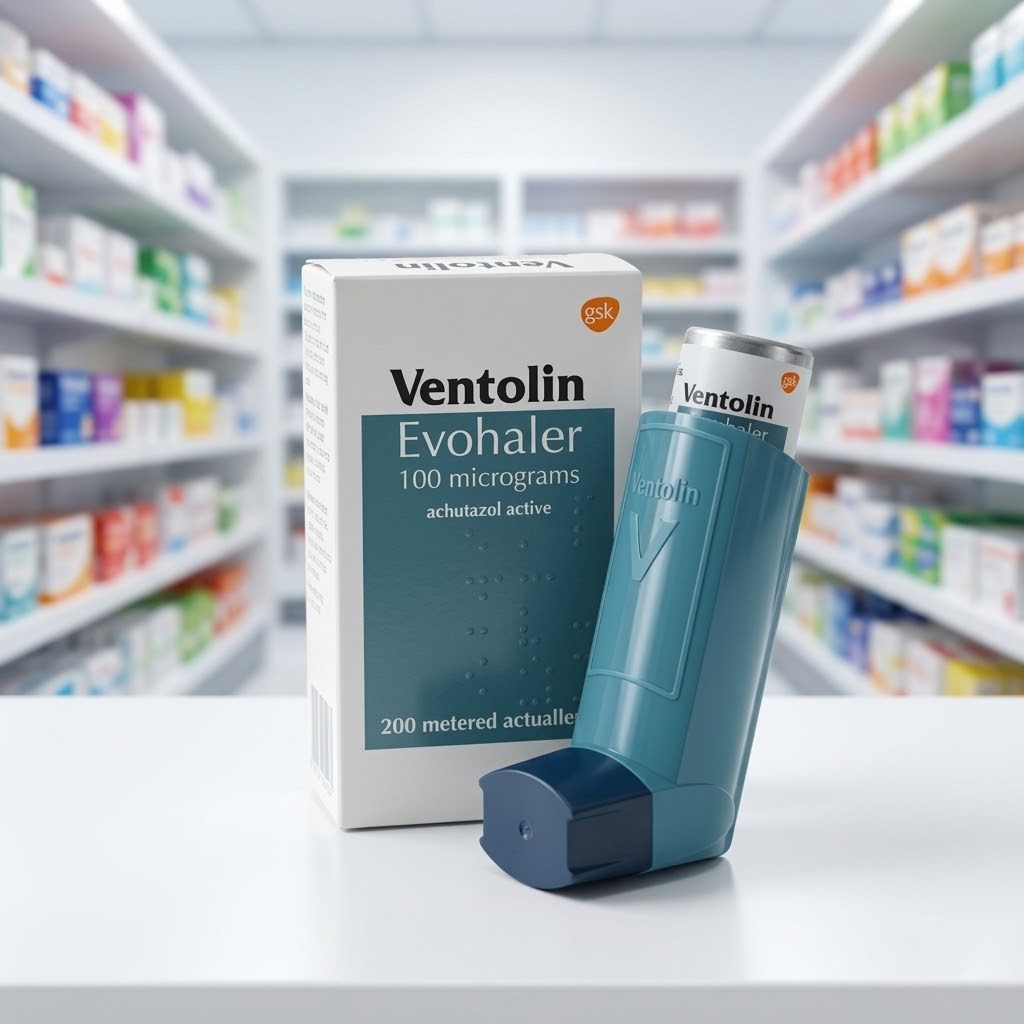
Reliever inhalers are designed for fast action. They’re most commonly the blue inhaler you’ll see patients carry, although the device itself can vary. These are used when symptoms suddenly appear - such as wheezing, tight chest, or shortness of breath - and work quickly to open up the airways. They’re taken only when needed rather than on a fixed schedule. A well-known example is Ventolin, which contains Salbutamol and is used to provide rapid relief during an asthma episode.
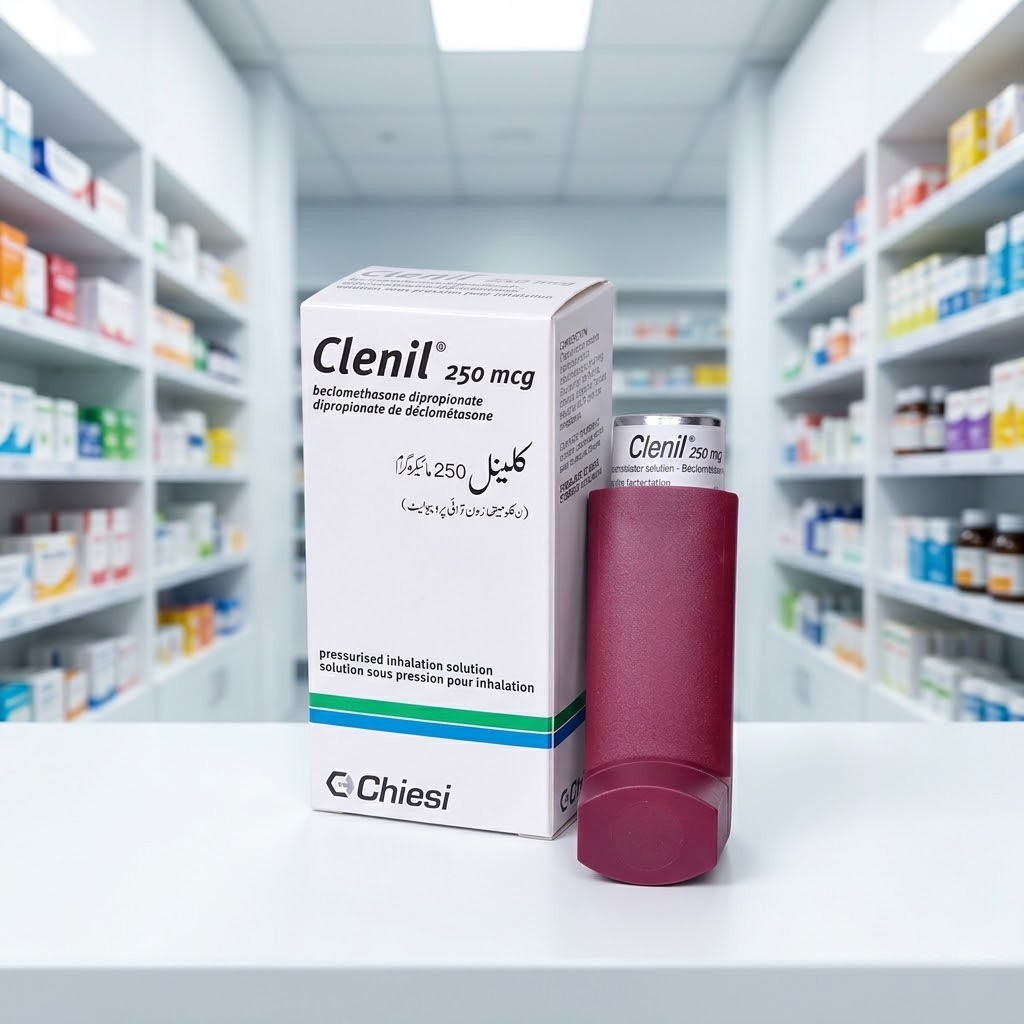
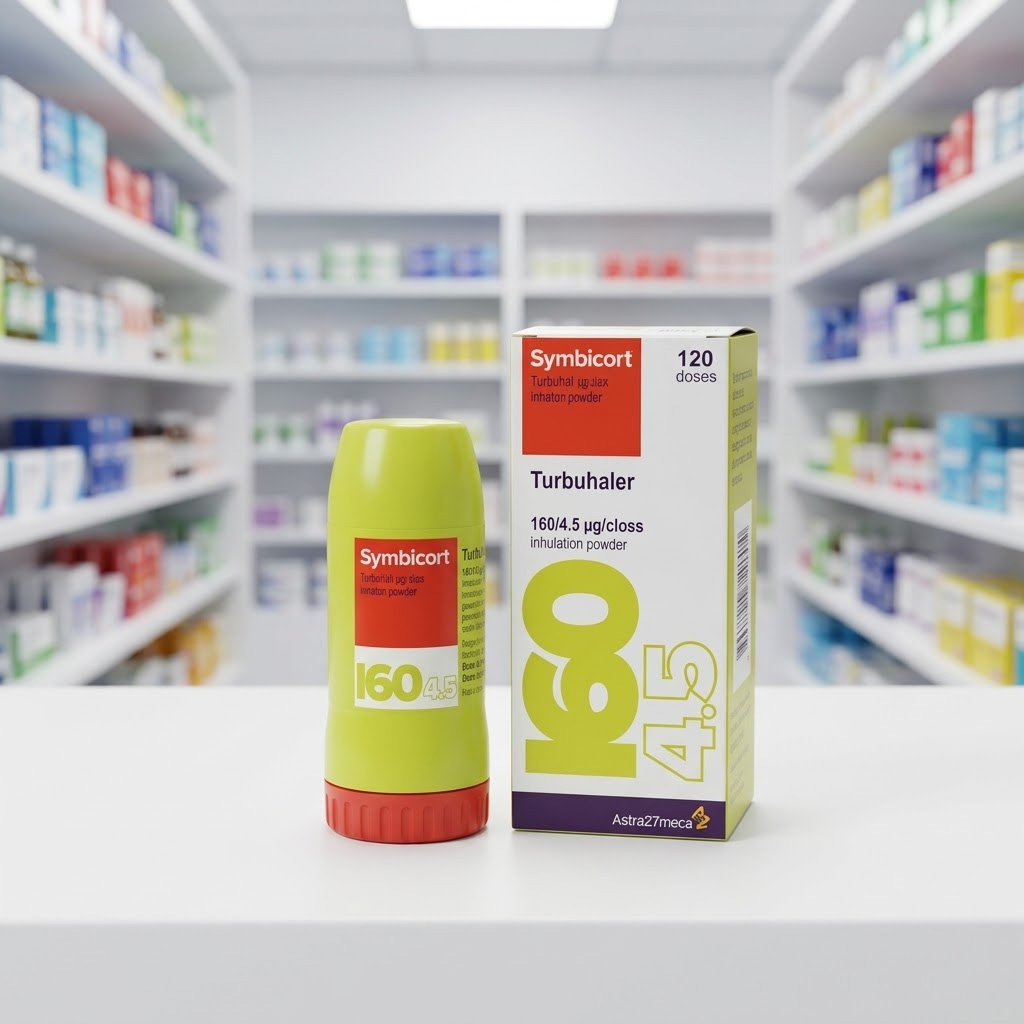
Preventer inhalers work in a completely different way. Instead of treating immediate symptoms, they are taken regularly - usually once or twice a day - to reduce inflammation in the airways over time and lower the chance of attacks happening in the first place. These inhalers are not blue and are meant for long-term control rather than quick relief. In some cases, if inhalers alone don’t fully manage symptoms, doctors may also prescribe oral medication alongside them.
An example of a preventer inhaler is Clenil Modulite, which contains Beclometasone. It belongs to a class of medicines called inhaled corticosteroids, which help keep the airways calmer and less reactive over time.