Dental Treatment

Start Your Consulation
A dental abscess is a bacterial infection that forms either inside a tooth or in the surrounding gum tissue, often causing intense pain and swelling. It develops when bacteria reach the inner parts of the tooth - where the nerves and blood supply are located - or spread into nearby tissue. Common symptoms can include severe throbbing toothache, swelling around the face or jaw, fever, and heightened sensitivity when eating or drinking anything hot or cold. Without prompt treatment, the infection can spread and lead to serious health complications.
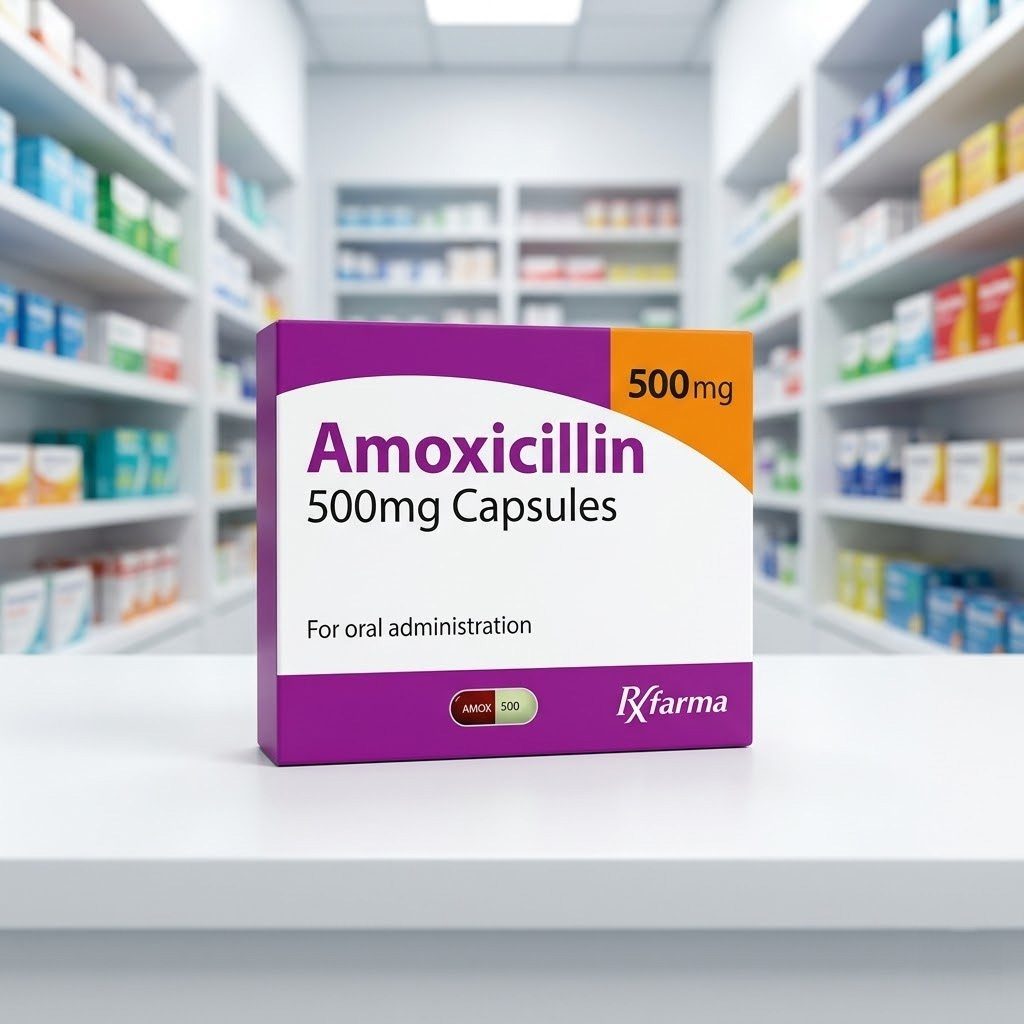
Amoxicillin is a widely prescribed antibiotic commonly used to treat a broad range of bacterial infections. It works by stopping the growth of bacteria, helping the body’s immune system clear the infection more effectively.

From: £29.99

Select options This product has multiple variants. The options may be chosen on the product page
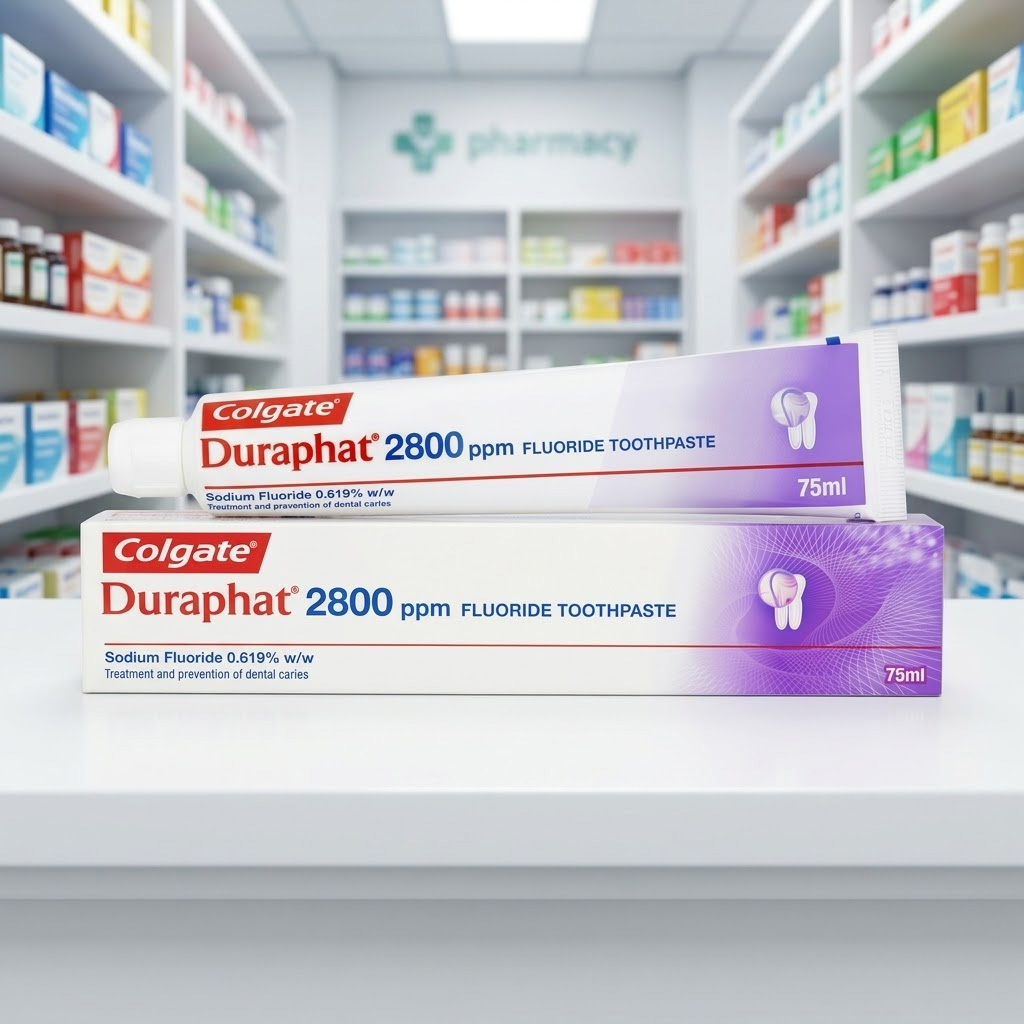
Duraphat 2800 offers enhanced protection against tooth decay, making it particularly useful for individuals with sensitive teeth or those more prone to cavities and gum-related issues.

£17.99

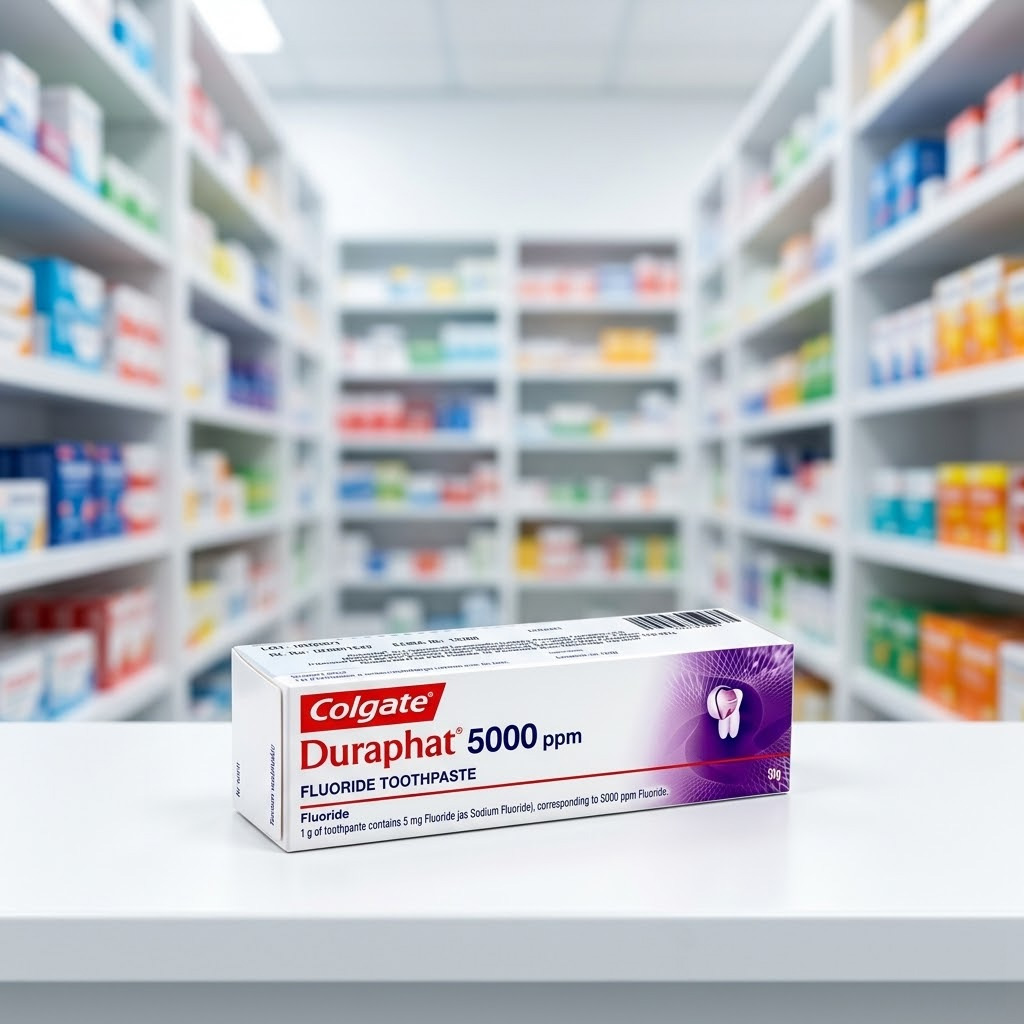
Duraphat 5000 offers enhanced defence against tooth decay. It’s particularly helpful for people with sensitive teeth, or those more prone to cavities and gum-related issues

£14.99

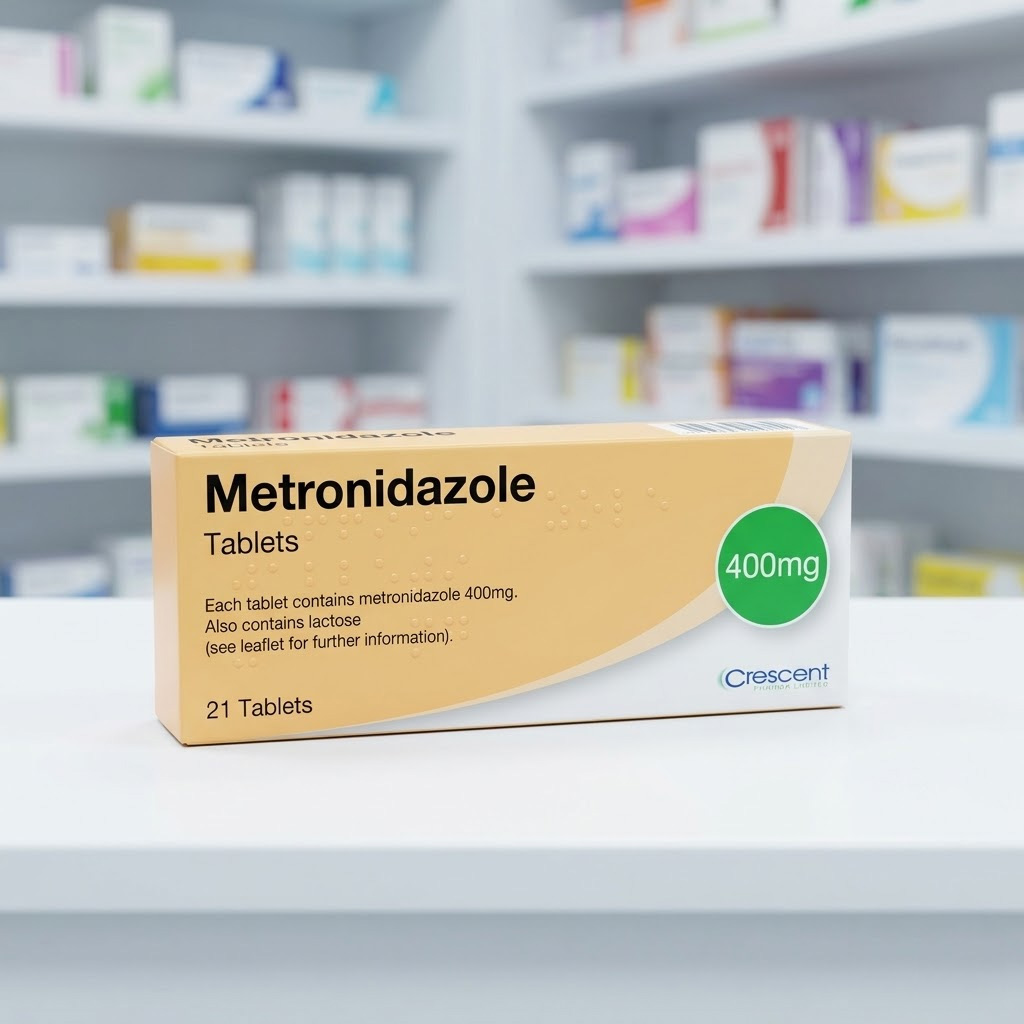
Metronidazole is a type of medicine that works as both an antibiotic and an antiprotozoal agent, used to treat certain bacterial infections as well as infections caused by protozoa.

From: £29.99

Select options This product has multiple variants. The options may be chosen on the product page

In many cases, dental abscesses are caused by advanced tooth decay, which allows bacteria to penetrate deep into the tooth. Gum disease, damaged or cracked teeth, failed dental procedures, and injuries to the enamel can also increase the likelihood of infection. Poor oral hygiene is another major factor, as plaque and bacteria build up over time and gradually damage the teeth and gums. People with weakened immune systems, including those living with conditions such as diabetes, may be more vulnerable to developing dental infections and related complications.

If considered suitable following assessment, a prescriber may issue antibiotics to help manage the infection. In many cases, Amoxicillin is commonly selected due to its effectiveness against the bacteria frequently linked to dental infections. For individuals with a penicillin allergy, alternatives such as Metronidazole may be recommended instead. In more severe or widespread cases, a combination of antibiotics may be used to target multiple types of bacteria at the same time.

Although antibiotics can help control the infection, many dental conditions will still need direct treatment from a dentist, such as a filling or root canal procedure. In these situations, antibiotics are generally intended as a short-term measure to manage symptoms while awaiting a dental appointment.

Pain relief is also an important part of managing dental abscesses and infections. Over-the-counter options like Paracetamol and Ibuprofen are often used to ease discomfort, with ibuprofen also helping to reduce inflammation and swelling. Where pain is more severe, a clinician may prescribe a stronger short-term pain relief option until the infection begins to settle.