It usually develops when androgen (male-type) hormone levels become elevated, or when the body becomes more sensitive to these hormones, leading to an increased hair growth response even if hormone levels are normal.
One of the most common underlying causes is polycystic ovary syndrome (PCOS). Because PCOS affects hormone balance, it often comes with other symptoms as well, including acne and changes to menstrual cycles such as irregular or infrequent periods. That said, not every case has a clearly identifiable cause. In some situations, no underlying trigger is found at all.
Certain medications, particularly anabolic steroids, can also contribute to the development of hirsutism. If excess hair growth appears suddenly, or is accompanied by signs such as a deeper voice or a complete stop in menstruation, it’s important that the situation is medically assessed without delay.
Managing hirsutism usually involves a combination of approaches rather than a single treatment. Many people start with lifestyle changes, including weight loss where appropriate, alongside at-home methods like shaving, waxing, or using hair-lightening products.
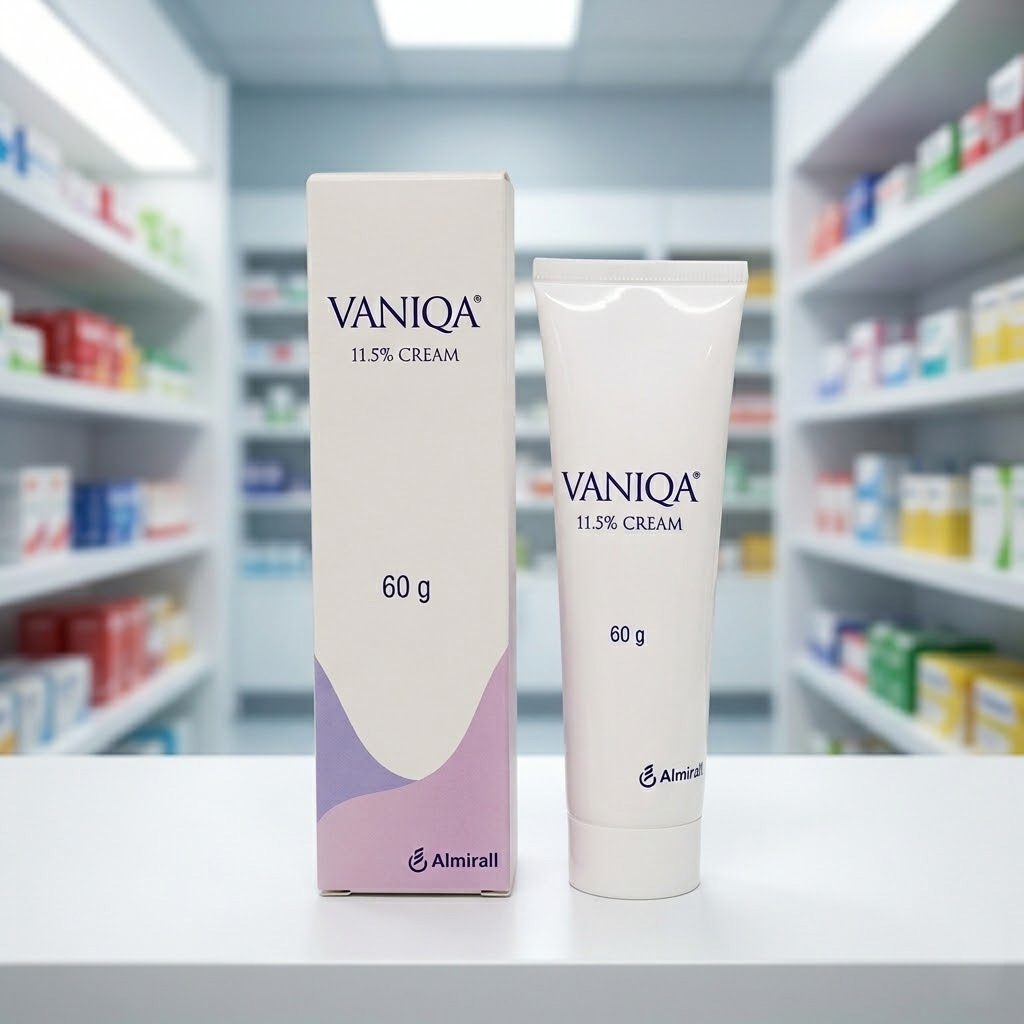
Medically, options such as eflornithine cream can be prescribed to help slow down hair growth over time. For those who haven’t gone through menopause, hormonal contraceptives are sometimes used to help balance hormone levels, which can in turn reduce excess hair growth.
More longer-lasting solutions include laser hair removal or electrolysis. These tend to give extended results, but they can be costly and aren’t always permanent.