For some people, the infection never causes noticeable symptoms. Others may only experience very mild signs that are easy to miss. When symptoms do show up, they often appear as small, painful, fluid-filled blisters around the genitals, rectum, or mouth. These blisters eventually break open and turn into tender sores that can take a couple of weeks - sometimes up to four - to fully heal. The first outbreak tends to be the most intense, and it may come with flu-like symptoms such as fever, fatigue, headaches, and general body aches.
After the initial episode, the virus doesn’t leave the body. Instead, it becomes inactive and hides in the nerve cells. From time to time, it can reactivate, leading to further outbreaks. These repeat episodes are usually milder and shorter than the first.
Certain factors are known to trigger these flare-ups, including periods of stress, illness, exhaustion, hormonal shifts, or a weakened immune system.
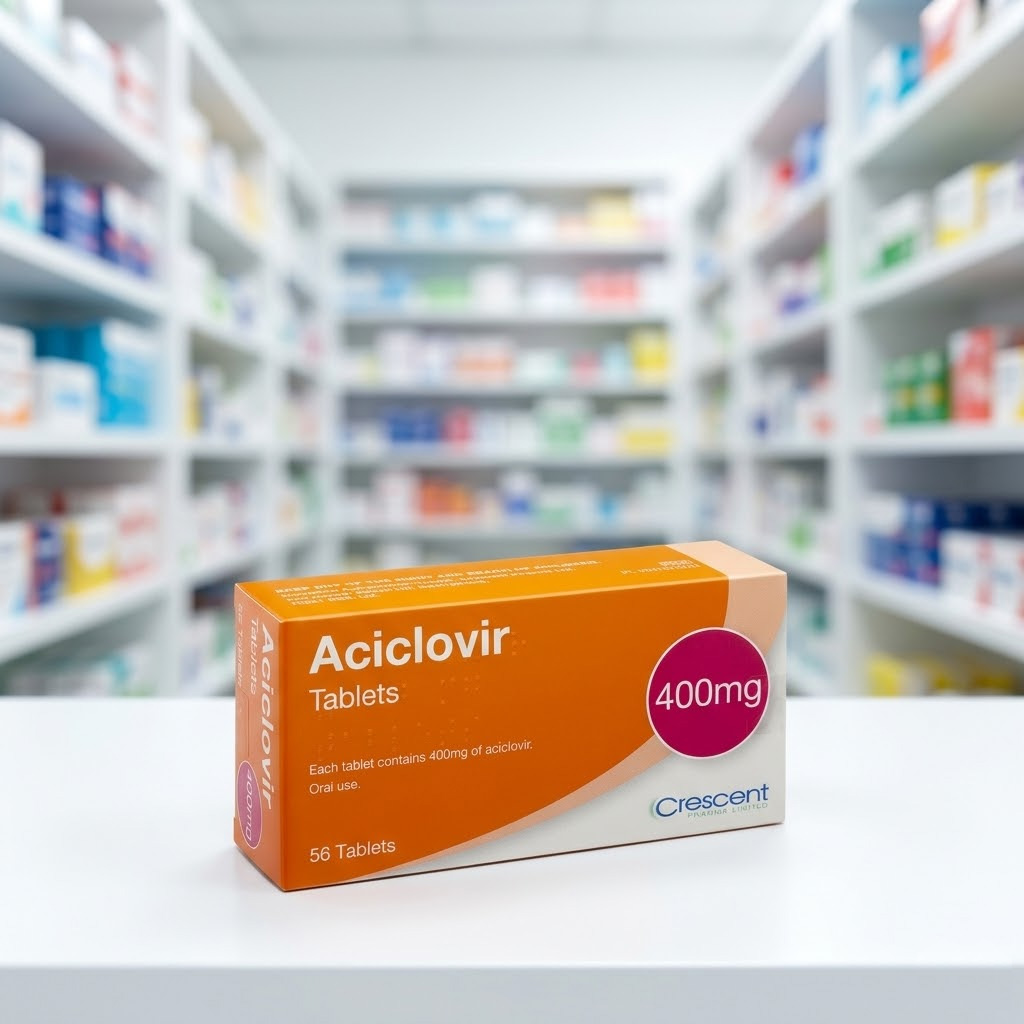
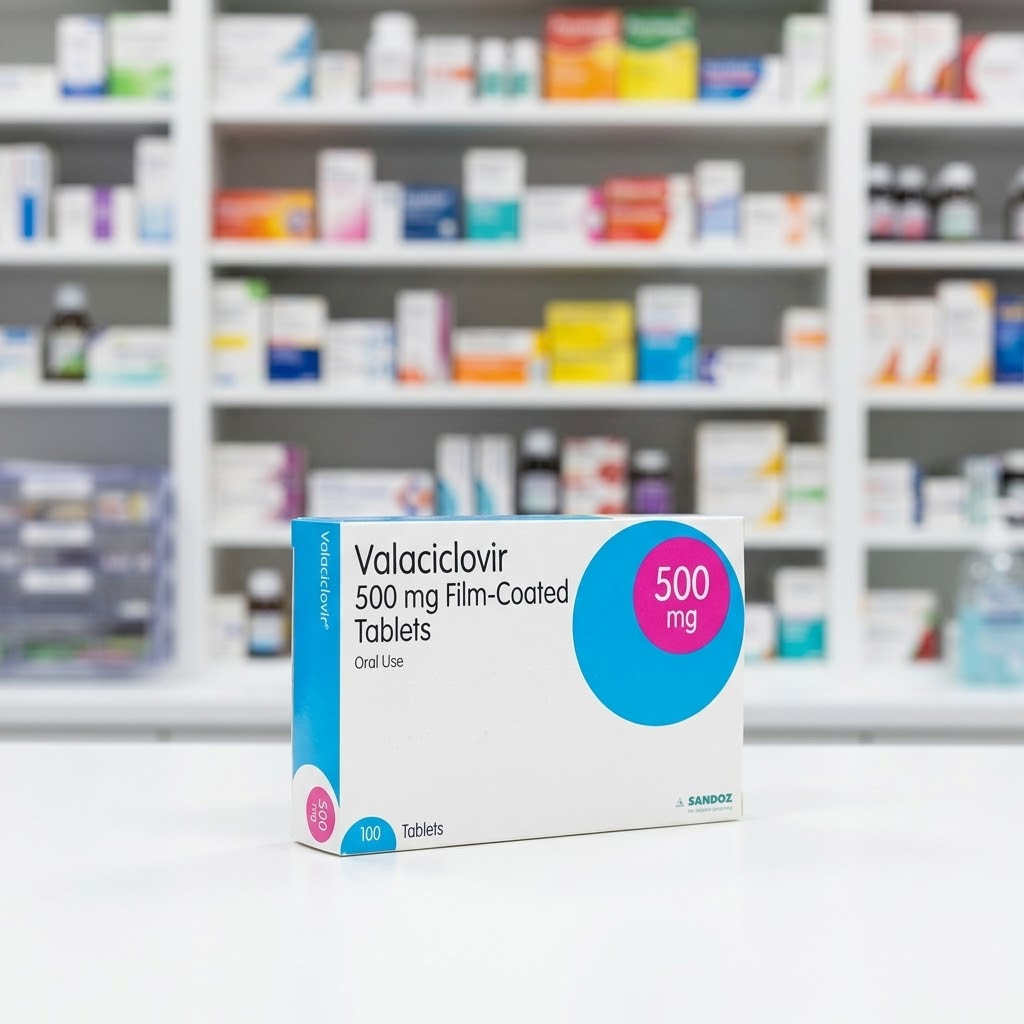
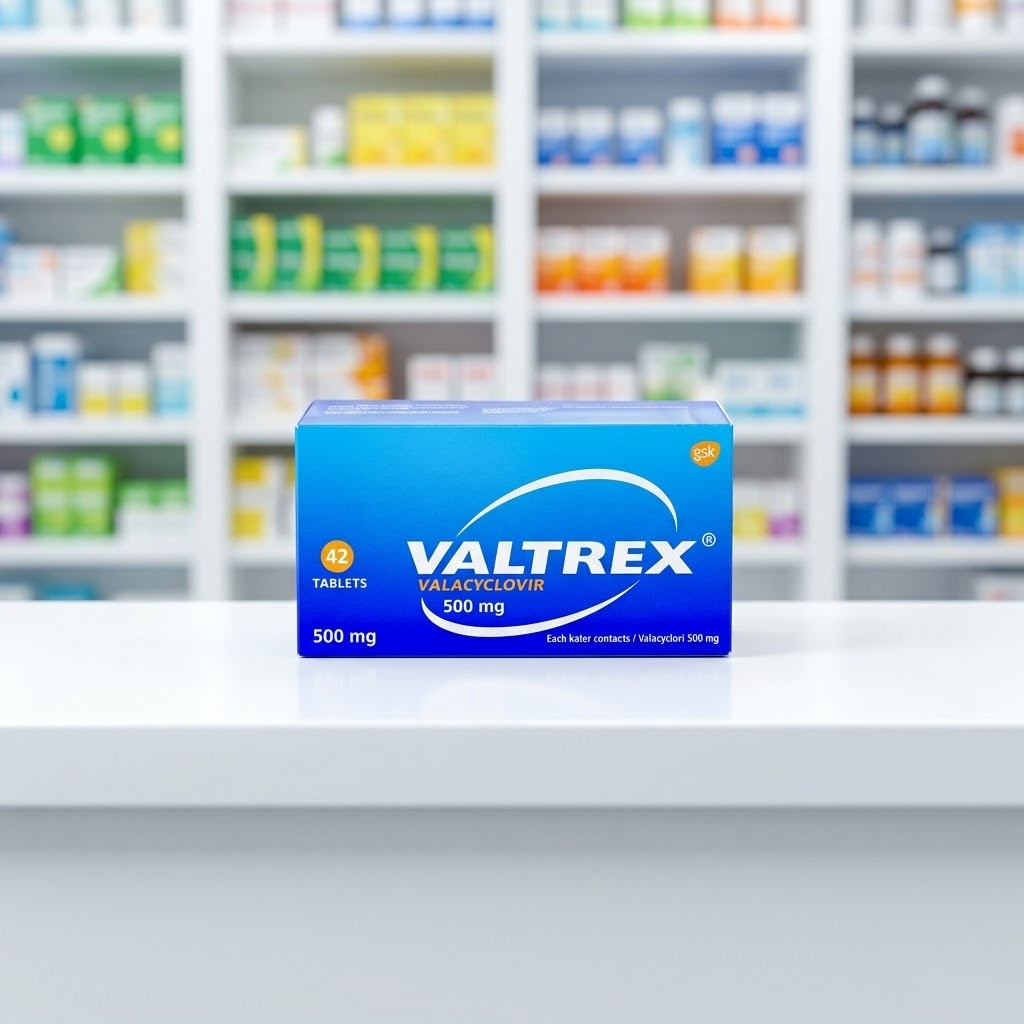
At My Pharmacy Stop, there are a few antiviral treatments that are commonly used to keep genital herpes under control. The main options include aciclovir (Zovirax), valaciclovir (Valtrex), and famciclovir (Famvir).
Aciclovir was the original antiviral developed for herpes infections. It works by disrupting the virus’s ability to copy its DNA, which stops it from multiplying properly. Valaciclovir is essentially a modified version of aciclovir that the body converts after it’s taken; the advantage is that it’s absorbed more efficiently, so it usually doesn’t need to be taken as often. Famciclovir works in a very similar way, targeting the same viral replication process but through a different compound that becomes active once inside the body.
These treatments are typically used in different ways depending on the situation. They can help shorten and ease outbreaks when they happen, reduce how often flare-ups occur, and lower the amount of virus shedding, which in turn helps reduce the chance of passing it on to a partner.
On a separate note, Instillagel isn’t a treatment for herpes itself, but it can sometimes be used for symptom relief. It contains lidocaine, a local anaesthetic, along with chlorhexidine, which has antiseptic properties. While it may temporarily ease discomfort from sore lesions, it doesn’t affect the underlying virus or stop the infection.