There are several causes of low testosterone. Primary hypogonadism originates from problems within the testicles themselves. Secondary hypogonadism is linked to issues in the pituitary gland or hypothalamus and can also be associated with factors such as inflammatory conditions, obesity, certain medications, chronic stress, and ageing. By around age 70, many men may experience a 30-50% decline in testosterone compared to their younger years.
Hypogonadism can lead to both physical and psychological symptoms. Physical effects may include reduced muscle mass and strength, increased body fat (particularly around the abdomen), decreased bone density, persistent fatigue, reduced body hair, and sexual symptoms such as lowered libido and erectile dysfunction (see Erectile Dysfunction).
Low testosterone can have a range of psychological effects, including depression, irritability, difficulty concentrating, reduced motivation, and lowered self-esteem.
The impact on quality of life can be significant. Beyond these symptoms, many men experience strained relationships, often linked to changes in mood and sexual function. Diagnosis can also be delayed, as symptoms frequently overlap with other conditions. Some individuals report feeling “less masculine” or experiencing a loss of identity as both physical and psychological changes develop.
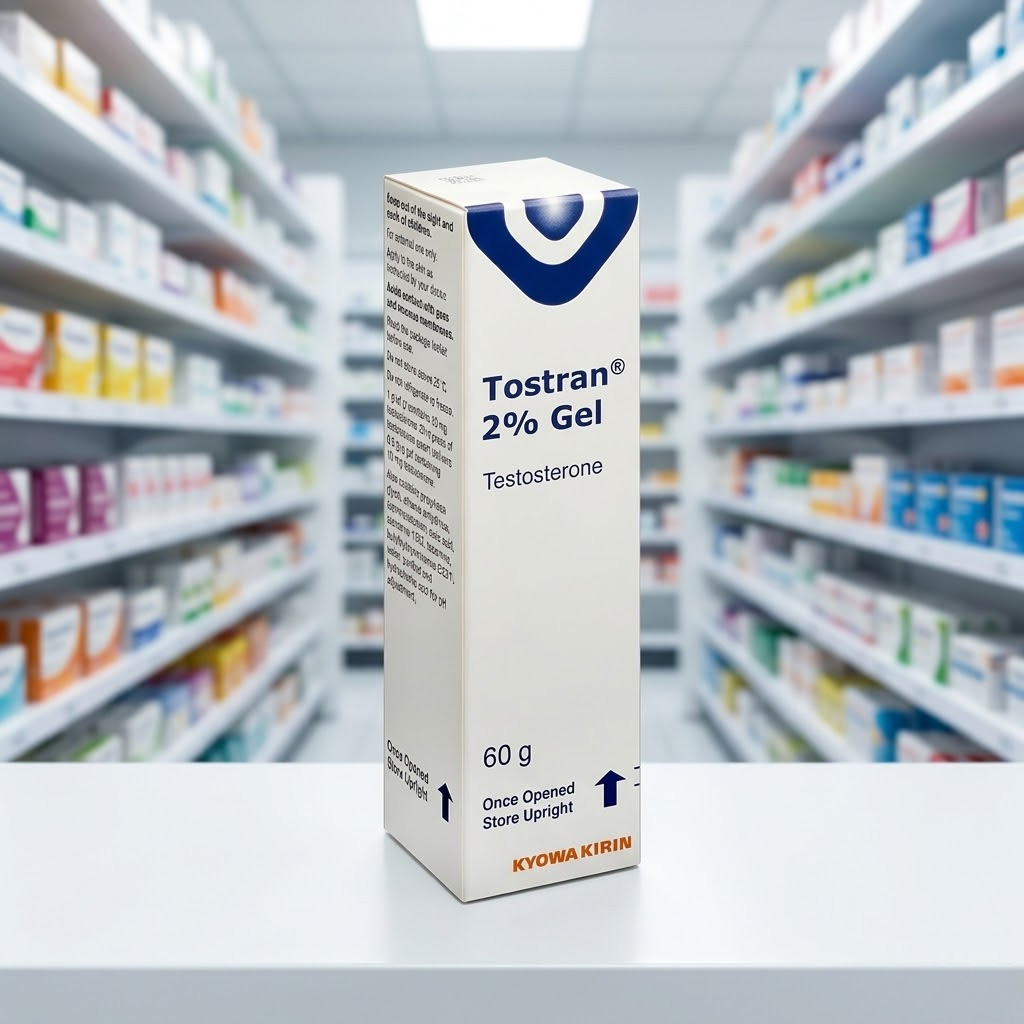
The primary treatment for hypogonadism is testosterone replacement therapy (TRT), which can be administered via injections, patches, gels, or pellets. When appropriately managed, TRT can improve energy levels, sexual function, mood, cognitive performance, body composition, and overall wellbeing.
Alternative approaches may also be used, particularly in milder cases or when fertility preservation is important. These include lifestyle changes such as weight management, regular exercise, adequate sleep, and stress reduction. In some cases, medications like clomiphene citrate may be prescribed to stimulate the body’s own testosterone production rather than replacing it externally.